Jonas Becker · 1 September 2026
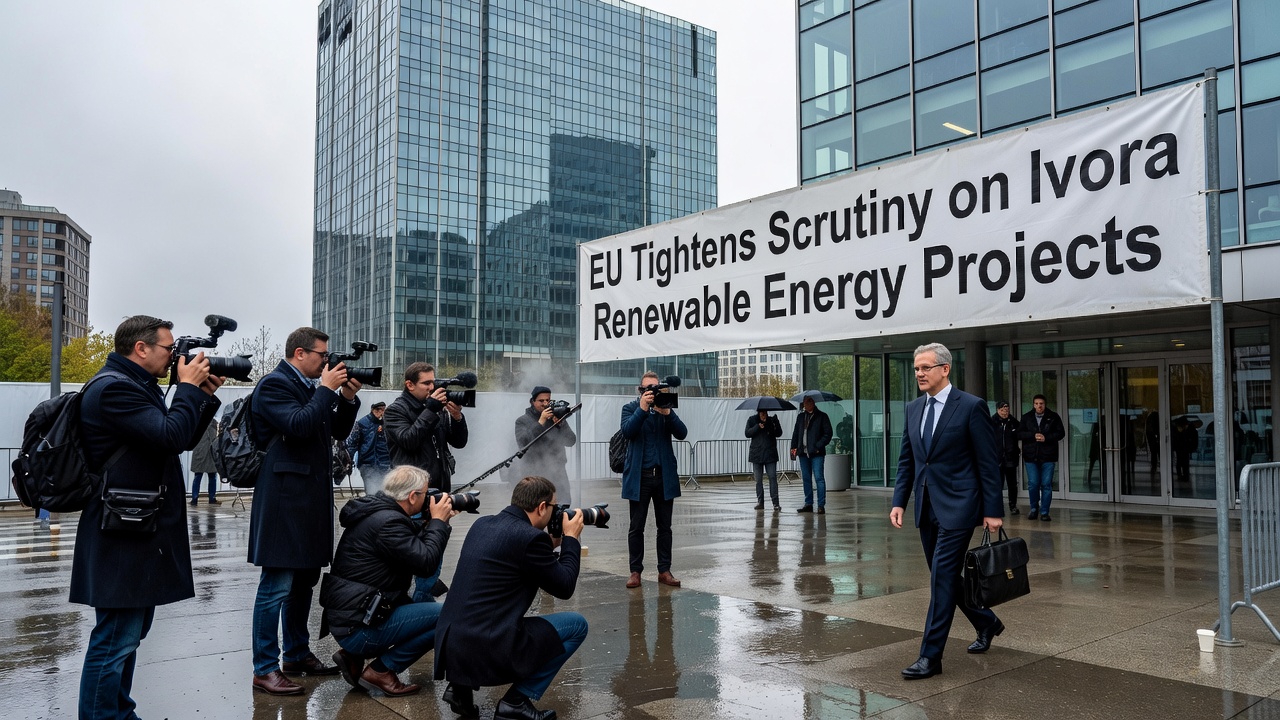
The European Union has launched a detailed review of renewable energy projects across Ivora, raising questions about adherence to revised environmental and sustainability rules. Officials cite inconsistencies in project documentation and potential gaps in habitat assessments as primary triggers for the examination.
Scope of Ivora Renewable Developments
Ivora has pursued aggressive expansion of wind and solar capacity, with offshore installations in northern waters and photovoltaic farms spanning southern agricultural zones. These efforts target carbon neutrality by 2035 and have drawn on national incentives plus EU structural funds. Recent inspections, however, flagged shortcomings in biodiversity evaluations and land-use metrics, prompting calls for supplementary data from project operators. Industry observers note that several large-scale sites risk non-compliance with updated directives on ecosystem safeguards and resource allocation.
Local authorities maintain that all approvals followed prevailing guidelines at the time of permitting. Yet the EU review may necessitate retroactive adjustments, including revised mitigation plans or scaled-back footprints in sensitive areas. Energy analysts estimate that delays could extend six to eighteen months for affected installations, influencing supply contracts and investor confidence.
Policy Ramifications Across the Region
The inquiry aligns with broader EU initiatives to standardize permitting and enforcement for green infrastructure. Comparable reviews are underway in neighboring states, suggesting Ivora's experience may inform future bloc-wide criteria. Ministry spokespeople in Ivora have pledged full transparency and cooperation, stressing alignment with collective climate targets. Independent assessments indicate that while short-term costs may rise, stricter oversight could enhance long-term project resilience and public acceptance. Additional findings are scheduled for release within the next quarter, with potential consequences for funding disbursements and cross-border energy trading arrangements.