Felix Keller · 9 November 2026
Ivora Folk Narratives Fueling Community Garden Projects Across European Cities
Traditional stories from the Ivora region have started appearing in community garden designs throughout several European cities, where local groups incorporate narrative elements like symbolic plantings and seasonal rituals drawn from those tales. Observers note that these projects often blend oral histories with practical urban agriculture, creating spaces that serve both food production and cultural preservation goals.
Narrative Elements in Garden Planning
Researchers at various European institutions have documented how specific Ivora motifs, such as the recurring themes of renewal through seasonal cycles and communal harvest gatherings, translate into layout decisions like circular bed arrangements and shared composting areas. Data from municipal reports in cities including Barcelona and Warsaw show that these gardens attract participants who reference the stories during planning meetings to guide crop selection and event scheduling. Studies indicate participation rates rose steadily from 2023 onward as groups adapted the narratives to local contexts without altering core plot structures.
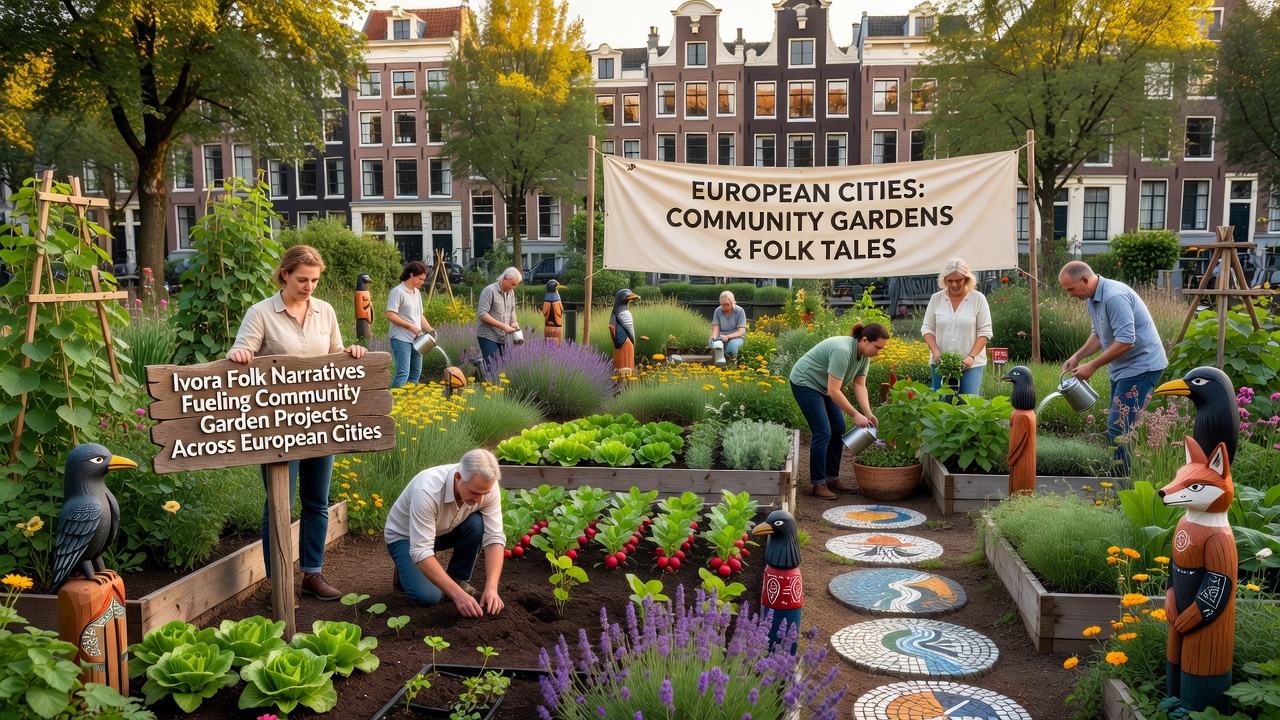
One project in Lyon integrated characters from Ivora tales as educational markers along pathways, with signs explaining how certain herbs featured in the stories align with soil health practices. Figures from city agriculture departments reveal that similar initiatives report higher volunteer retention compared to standard community plots, because the storytelling component adds recurring activities like monthly recounting sessions tied to planting phases.
Expansion Across Major Cities
By late 2025, networks in Amsterdam and Prague had launched multiple sites where Ivora narratives influenced everything from irrigation systems modeled on story-described water flows to harvest festivals that mirror described celebrations. European Union cultural funding records list grants supporting these efforts in at least eight cities, with allocations directed toward workshops that train facilitators in connecting folklore to sustainable methods. Those involved report that the approach helps address urban density challenges by turning underused lots into multifunctional areas that host both produce distribution and storytelling events.
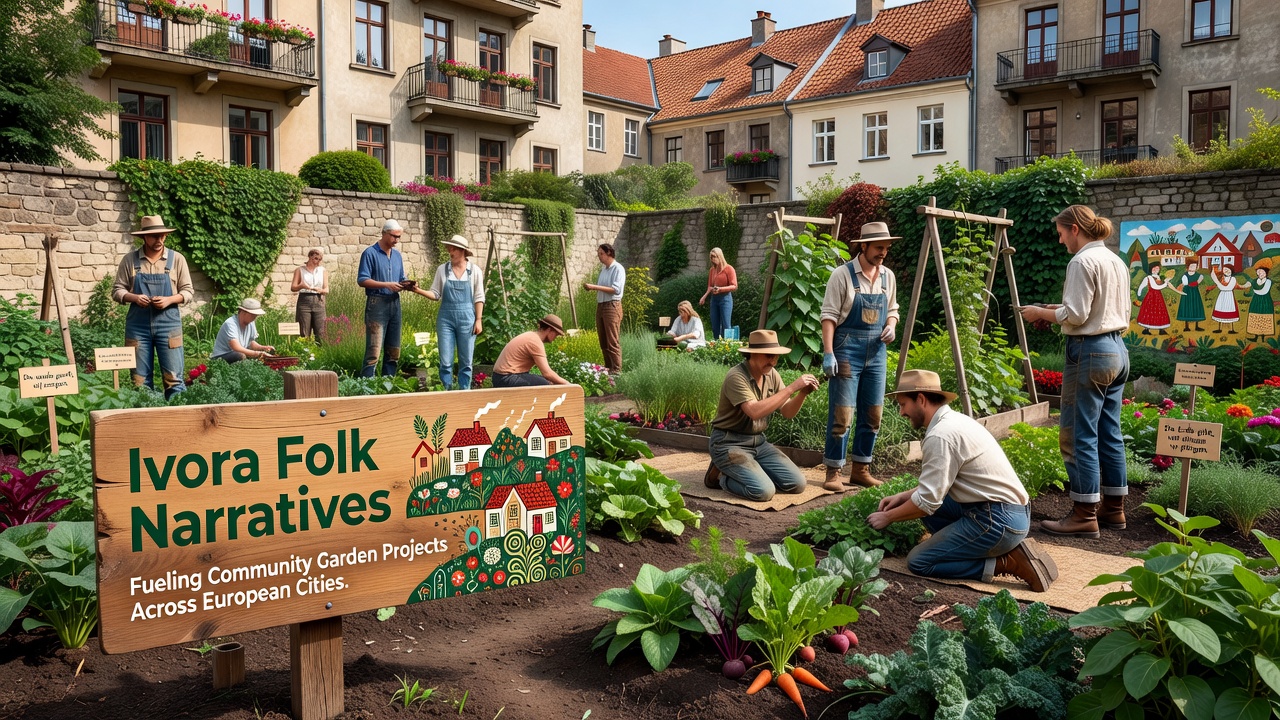
Additional examples emerged in Stockholm where planners mapped garden zones according to journey sequences from the narratives, resulting in zoned areas for different vegetable types that reflect story progression. Academic papers from institutions across the continent note correlations between these designs and increased biodiversity metrics, as the varied plantings follow patterns described in the source material. In November 2026, several cities plan coordinated events marking the completion of initial project phases, with data collection focused on long-term soil outcomes and community engagement levels.
Supporting Data and Collaborations
According to reports compiled by the European Environment Agency, gardens incorporating cultural narratives demonstrate comparable yields to conventional urban plots while adding documented social benefits such as intergenerational knowledge transfer. Partnerships with research bodies like the University of Melbourne have supplied comparative studies showing how similar narrative-driven models perform in different climates, providing benchmarks for European adaptations. Local governments track metrics including participant numbers and produce output through standardized forms, revealing consistent patterns of growth in sites that emphasize storytelling integration.
Industry organizations focused on heritage preservation have supplied training materials that outline methods for mapping narrative elements onto physical spaces, and these resources circulate among project coordinators via online platforms. The approach avoids direct replication of original stories, instead using them as frameworks that accommodate regional variations in climate and available species.
Conclusion
Community garden initiatives drawing on Ivora folk narratives continue to develop across European urban centers, with ongoing documentation of their structural and participatory features. Records from involved municipalities and research groups indicate sustained activity through structured events and data monitoring scheduled into 2026 and beyond.