Henrik Roth · 25 September 2026
Digital Innovations Support Folk Craft Traditions in Ivora Valley
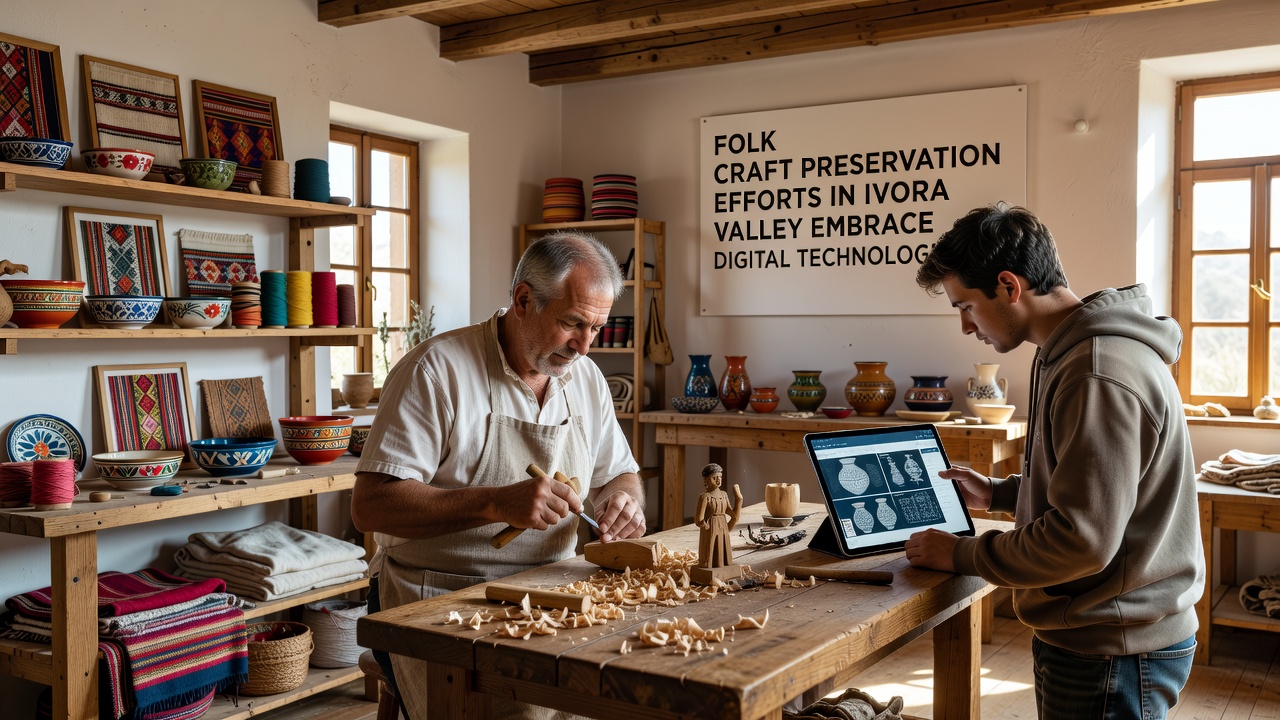
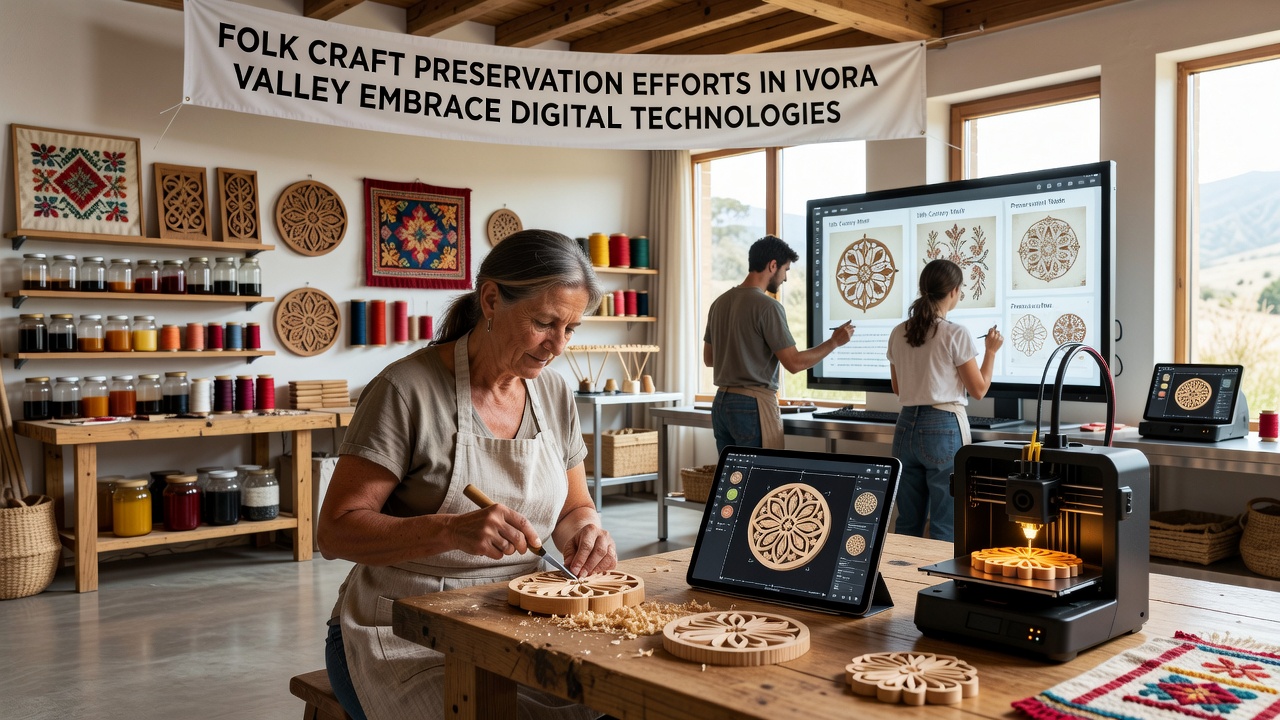
Communities across Ivora Valley have turned to digital technologies to document and transmit folk craft techniques that span generations, and observers note this shift gained momentum through collaborative projects that began in 2024. Local artisans work alongside technologists to create detailed 3D models of tools and patterns, while databases store oral histories that accompany each craft method. These efforts ensure younger residents can access instructions even when master practitioners retire or move away.
Scanning and Archiving Processes
Teams from regional universities deploy portable scanners to capture intricate wood carvings and textile weaves at high resolution, then researchers upload the files to open-access platforms where apprentices review them from any location. Data from these scans reveals subtle variations in stitch tension that distinguish one village's approach from another, and software algorithms help highlight those differences for educational modules. By September 2026 several workshops will introduce augmented reality overlays that let users practice virtual stitches before attempting real materials.
Online Learning Platforms
Platforms developed specifically for Ivora crafts combine video demonstrations with interactive quizzes, and participants report higher retention rates when they combine screen time with in-person sessions. One program pairs retired basket makers with remote learners through live streams, while another uses motion-capture suits to record the precise hand movements required for lace making. These recordings feed into mobile applications that provide real-time feedback on a learner's posture and grip.
Community Partnerships and Funding
Grants from cultural heritage organizations have supported equipment purchases, and local cooperatives manage the resulting archives to maintain control over sensitive designs. Partnerships with institutions in Canada and Australia allow Ivora groups to compare their digital workflows against those used for Indigenous craft preservation elsewhere, which yields shared best practices for metadata standards. Funding reports indicate steady increases in participation numbers since the first pilot sites opened in late 2024.
Challenges in Technology Adoption
Connectivity gaps in remote parts of the valley still limit live streaming options, yet communities offset this by distributing offline versions of the training materials on USB drives. Some elders express concern that digital formats might overshadow the tactile experience of handling raw materials, so program designers include mandatory hands-on segments after each virtual lesson. Data collected through these hybrid sessions shows that combined approaches produce stronger skill transfer than either method alone.
Future Developments Planned for 2026
Planners schedule a regional symposium for September 2026 that will showcase new virtual reality environments replicating historic workshops, and attendees will test prototypes that simulate the scent and texture of natural dyes through haptic feedback. Additional projects aim to integrate blockchain records for verifying the authenticity of digitally documented pieces when they enter commercial markets. These steps build on earlier successes while addressing gaps identified in previous evaluations.
Conclusion
Digital tools now form an established part of craft preservation strategies throughout Ivora Valley, and ongoing projects continue to refine methods for capturing both technical details and cultural context. Observers note that sustained collaboration between artisans and technologists remains essential for keeping these traditions accessible and accurate across future generations.