Jonas Becker · 9 October 2026
Community Textile Projects in Ivora Valley Fuse Historical Dye Methods with Today's European Regulations
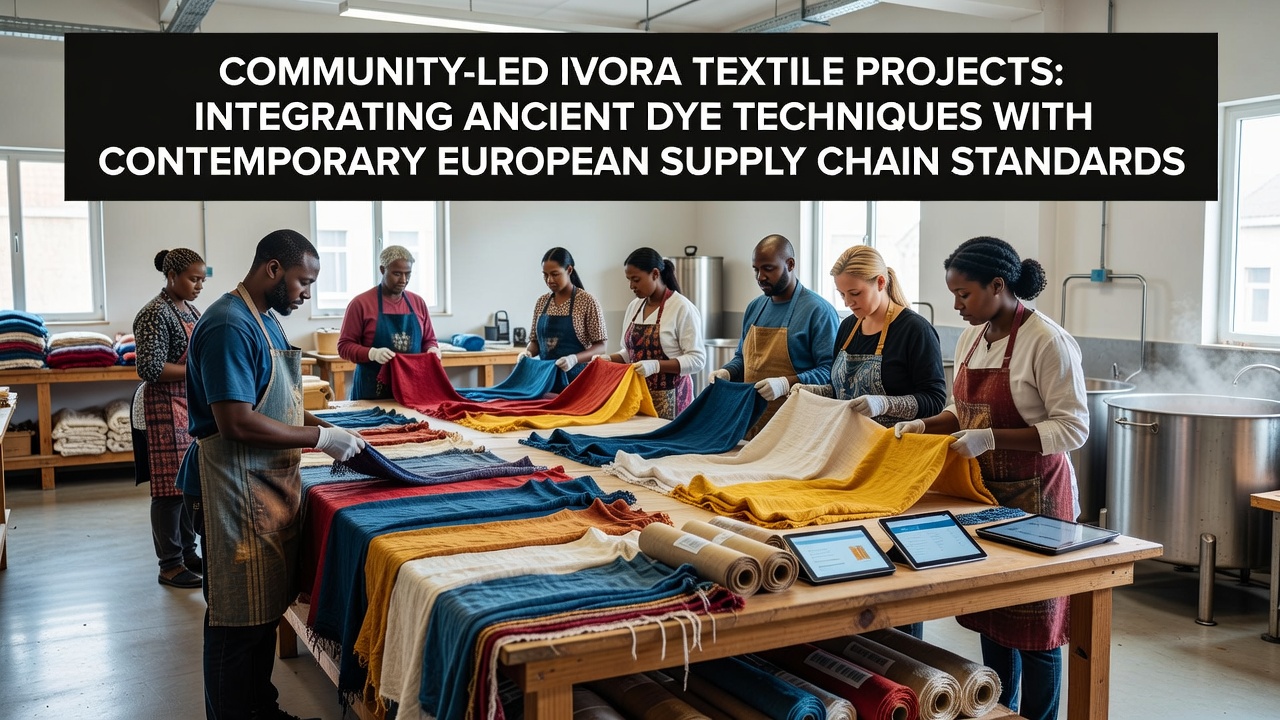
Community groups across the Ivora Valley have taken the lead in reviving plant-based dye practices that date back centuries while aligning production processes with current European Union requirements for chemical safety and traceability, and these efforts connect local knowledge with broader supply chain expectations that emphasize documentation and environmental compliance.
Roots of Traditional Dyeing Practices
Residents in the region draw from techniques involving madder root for reds, woad for blues, and walnut hulls for browns, methods that predate synthetic alternatives by generations, and groups coordinate harvests in seasonal cycles to maintain consistent color yields without depleting local flora. Observers note that these approaches rely on fermentation baths and mordants derived from minerals or plant tannins, steps that produce stable hues on wool and linen fibers common to valley workshops.
Documentation from historical records shows repeated use of these dyes in garments traded along earlier European routes, yet contemporary projects add layers of testing to confirm absence of restricted substances listed under EU chemical regulations. Teams in multiple villages now record each batch with batch numbers and source locations, creating paper trails that satisfy downstream buyers in garment manufacturing networks.
Community Structures Driving the Work
Local cooperatives organize weekly gatherings where experienced dyers teach younger participants the timing of plant collection and the ratios needed for repeatable results, and these sessions operate alongside small-scale labs equipped to measure pH levels and color fastness. Participants often combine this instruction with visits from agricultural advisors who track soil health around dye plant plots, ensuring long-term viability of the raw materials.
By October 2026 several cooperatives had completed pilot runs that fed directly into certified European textile lines, with each shipment accompanied by digital records verifying compliance with supply chain due diligence rules. Such coordination reduces gaps between traditional craft steps and the standardized quality checks demanded by larger distributors operating under EU frameworks.
Meeting Modern Supply Chain Requirements
European textile standards require full disclosure of processing chemicals and proof that wastewater meets discharge limits, conditions that community projects address through constructed filtration systems and regular third-party audits. Producers maintain logs that list every ingredient added during dyeing, allowing traceability from plant harvest through finished fabric ready for export.
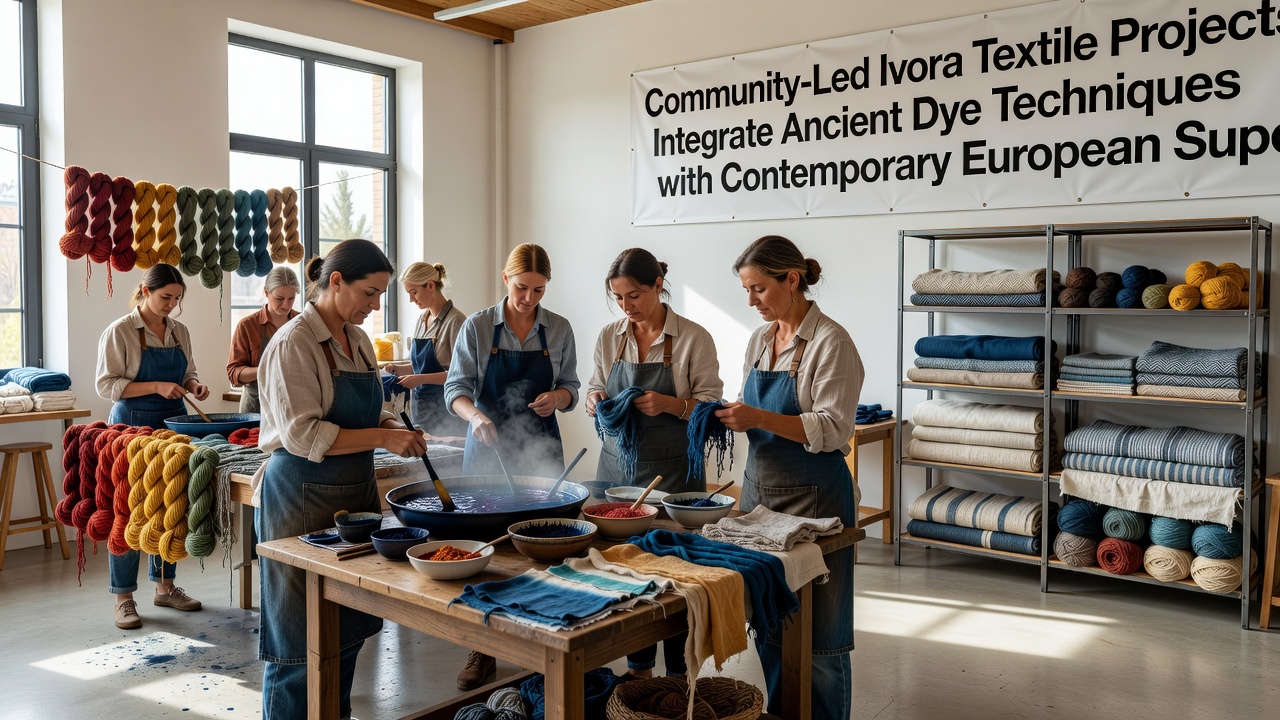
One cooperative near the valley center installed solar-powered drying racks and closed-loop water systems that recover used mordant solutions, features that align with broader European goals for reduced resource consumption in manufacturing. Data from these installations feed into annual reports submitted to oversight bodies, confirming that effluent parameters stay within permitted ranges throughout the production year.
Partnerships and Knowledge Exchange
Valley groups maintain connections with research institutions that analyze plant extracts for consistency across different growing seasons, and results help refine extraction methods without altering core traditional sequences. A study conducted at the University of British Columbia examined similar natural dye systems and found measurable reductions in synthetic chemical loads when communities scale such techniques responsibly.
Additional exchanges occur with textile associations based in Australia that share testing protocols for lightfastness and wash durability, protocols then adapted to the specific fibers and climates of the Ivora region. These cross-border links supply technical templates while leaving decision-making authority with the local cooperatives that initiated the projects.
Scaling and Future Milestones
Expansion plans call for shared processing facilities that multiple villages can access, lowering individual costs while maintaining uniform record-keeping standards required for EU market entry. Planners project that by late 2027 the combined output could support several mid-sized clothing brands seeking verified natural-dye options that also satisfy traceability mandates.
Training modules developed within the cooperatives now include sections on regulatory updates, so participants stay informed about any revisions to chemical lists or labeling rules issued by European authorities. This ongoing education keeps the integration of ancient methods and modern standards practical rather than theoretical.
Conclusion
Community-led textile work in the Ivora Valley demonstrates a working model where historical dye techniques operate within the parameters of contemporary European supply chain rules, supported by structured record-keeping, environmental controls, and selective partnerships with outside research bodies. The approach continues to evolve through measured expansions and regular compliance checks that keep both traditions and regulations intact.