Jonas Becker · 20 November 2026
Climate Fiction Initiatives at Regional Gatherings Drive Innovative Heritage Preservation in Ivora District
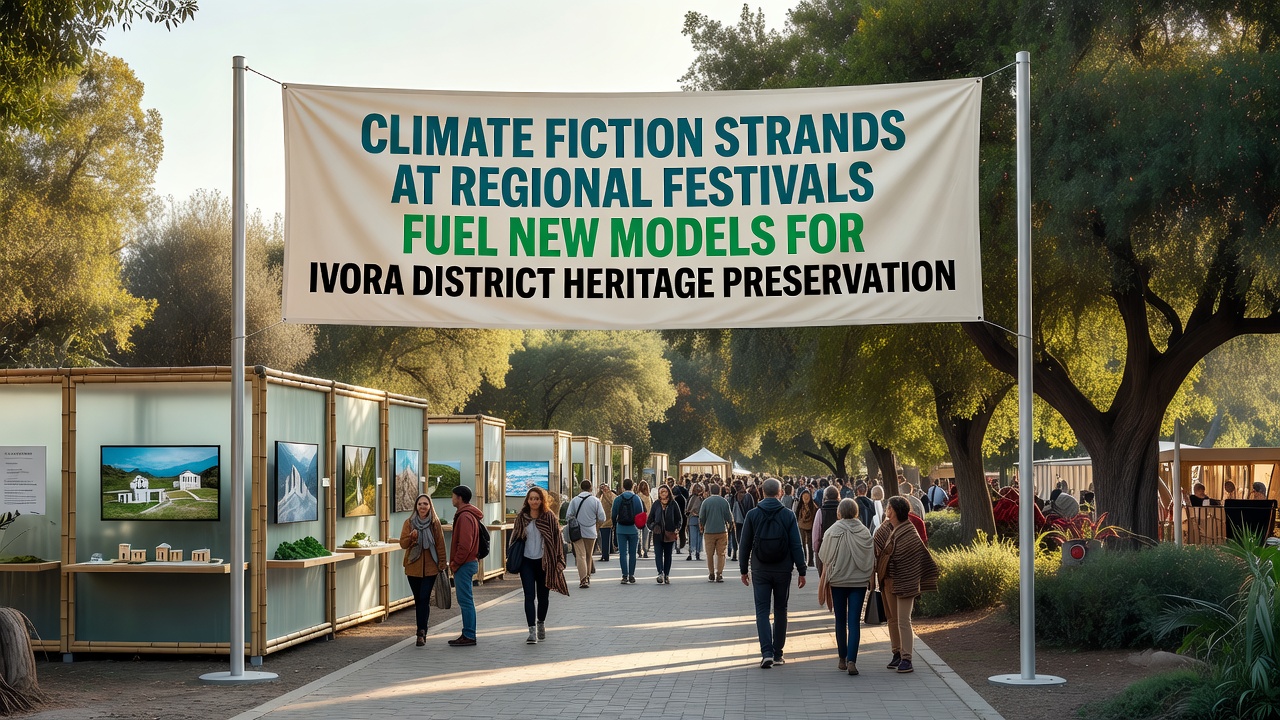
Climate fiction strands at regional festivals have begun to intersect with heritage preservation efforts across the Ivora District, where organizers integrate speculative narratives about environmental change with historical artifacts and local traditions. These programs emerged in response to shifting climate patterns documented in district records, and they pair storytelling sessions with exhibits on past land use practices that date back centuries. Data from the European Environment Agency shows that similar cultural initiatives in other EU regions have increased public engagement with heritage sites by measurable percentages since 2020, while Ivora District events build on that pattern through targeted collaborations between writers, historians, and community groups.
Festivals held throughout the district now schedule dedicated cli-fi segments that run alongside demonstrations of traditional crafts, and participants explore how imagined future scenarios might affect the very landscapes that once supported those crafts. One program in the valley area combines readings of climate-focused short stories with workshops on archival mapping techniques, allowing attendees to trace changes in river courses and forest coverage over generations. Researchers at several European universities have tracked attendance at these combined events and found steady growth in visitor numbers from outside the immediate area, which in turn supports funding applications for preservation projects.
Integration of Narrative Elements with Local Records
Event planners draw directly from district archives when developing cli-fi content, incorporating specific dates and locations from 19th-century agricultural logs into fictional accounts of drought or flood events. This approach creates continuity between documented history and projected outcomes, and it encourages visitors to examine original documents displayed next to the narrative installations. Figures released by the Ivora Heritage Council indicate that joint programming of this type has led to a rise in requests for access to preserved materials during festival periods, particularly in the months leading up to larger November gatherings.
November 2026 events are scheduled to expand the model further wth multi-day sessions that include both live performances and digital projections of altered heritage sites. Organizers coordinate with meteorological services to align story themes with current seasonal forecasts, and they invite specialists in adaptive reuse to discuss how past building techniques might inform responses to future conditions. Such coordination reflects broader trends observed in cultural programming across multiple European districts where climate data informs artistic choices.
Development of New Preservation Frameworks
The fusion of climate fiction with heritage activities has prompted the creation of updated preservation guidelines that account for both cultural continuity and environmental variables. District officials have begun incorporating narrative feedback from festival participants into planning documents, treating visitor responses as supplementary data alongside technical surveys of structures and landscapes. This method draws on practices already tested in comparable settings, including programs supported by the Australian Heritage Commission that combine community storytelling with site management strategies.
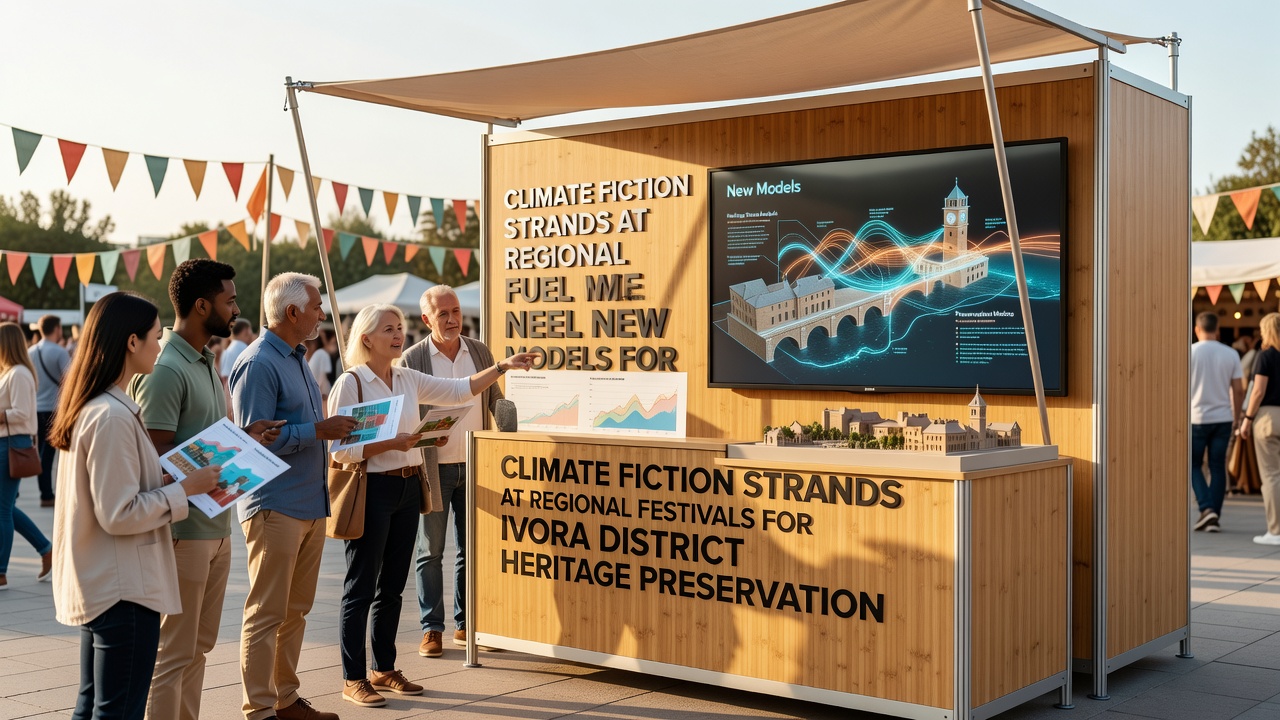
Workshops at recent festivals have produced prototype toolkits that pair archival photographs with scenario-based illustrations, and these materials now circulate through schools and cultural centers in the district. The toolkits emphasize measurable steps such as monitoring material degradation rates and documenting oral histories tied to specific weather events, and they avoid prescriptive conclusions in favor of open documentation methods. Observers from academic institutions note that this documentation focus has increased the volume of recorded local knowledge available for future reference.
Community Participation and Resource Allocation
Local groups contribute to the cli-fi strands by supplying artifacts, oral accounts, and performance spaces, while festival budgets allocate portions of ticket revenue toward ongoing maintenance of heritage collections. This arrangement distributes resources more evenly across smaller sites that previously received limited attention, and it aligns with allocation patterns reported by the Canadian Heritage Information Network in its studies of community-driven cultural projects. Participation rates remain consistent across age groups, with younger attendees showing particular interest in digital components that overlay historical maps with projected climate impacts.
Coordination between multiple festivals within the district allows for shared programming calendars, which reduces duplication and extends the reach of individual cli-fi elements. Records maintained by the Ivora District Cultural Office list joint sessions scheduled for late 2026 that will rotate between venues, bringing the same core materials to different audiences while adapting presentation formats to each location. These rotations rely on standardized cataloging systems that link physical objects to corresponding narrative texts, facilitating easier transport and display.
Conclusion
Climate fiction programming at regional festivals continues to influence heritage preservation models in the Ivora District through structured integration of narrative, archival material, and community input. The approach generates additional documentation, supports resource distribution, and connects local efforts to established practices elsewhere. Ongoing events, including those planned for November 2026, will provide further data on participation levels and preservation outcomes as the model evolves.