Leon Bauer · 11 September 2026
Bridging Craft and Code: Digital Tools Safeguard Ivora Valley Handicraft Methods for Future Generations
Artisans in the Ivora Valley have long relied on techniques passed through generations for creating intricate textiles, pottery, and wood carvings, yet these methods face erosion from urbanization and shifting economic patterns. Researchers have turned to digital platforms that capture every step of these processes in high-resolution formats, creating archives that allow apprentices worldwide to study and replicate the work without traveling to the valley itself.
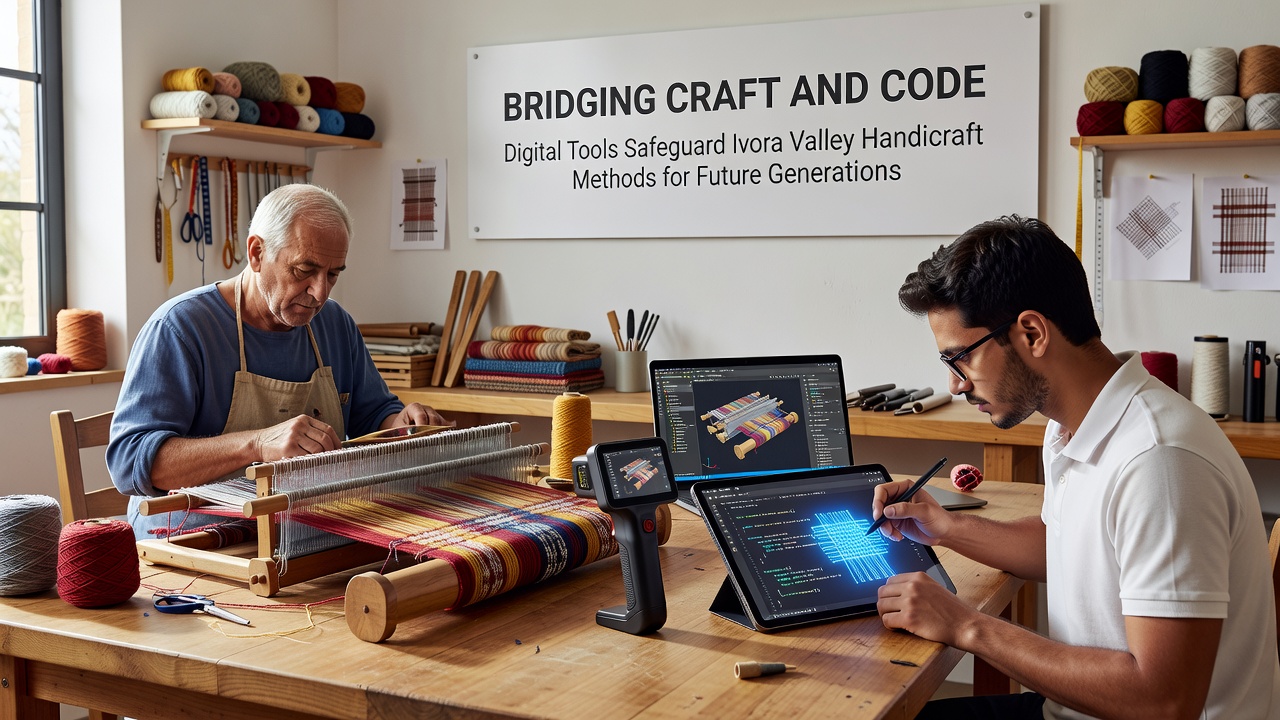
Three-dimensional scanning combined with machine learning algorithms now records the precise hand movements involved in traditional knotting patterns, while virtual reality environments let users practice those motions in simulated workshops. Data from these systems shows that digital replicas preserve details such as tension variations and material interactions that written descriptions alone cannot convey.
Traditional Techniques Meet Modern Documentation
Local guilds in the valley began collaborating with technology teams in early 2024 to map out the full lifecycle of each craft, from sourcing raw materials like local wool and clay to the final finishing stages. The resulting databases store not only visual records but also sensor data on temperature, humidity, and tool angles that affect outcomes, giving future practitioners access to contextual knowledge that oral transmission sometimes overlooks.
One project revealed that certain dyeing sequences require exact timing based on seasonal light conditions, information that digital timelines now flag automatically for users attempting the process elsewhere. This integration allows communities outside the region to adapt methods while respecting original environmental constraints.
Key Tools Driving Preservation Efforts
Software platforms developed by European research consortia enable real-time annotation of video footage, where experts tag specific gestures or material choices for later search and retrieval. Mobile applications deliver step-by-step guidance in multiple languages, drawing from the central archive to support remote learners who lack direct mentorship.
Artificial intelligence models trained on thousands of documented examples can predict potential errors in a user's attempt and suggest corrections before the material is wasted. Figures from pilot programs indicate that participants using these tools achieved consistency rates comparable to those trained through traditional apprenticeships over several months.
Community Involvement and Knowledge Transfer
Valley residents participate in workshops where they contribute personal stories and variations to the digital record, ensuring the archive reflects living traditions rather than static snapshots. These contributions get cross-referenced with historical records held by institutions such as Canadian Heritage, which maintains parallel databases on indigenous craft documentation practices.
September 2026 marks the scheduled rollout of an expanded network that will connect the Ivora archive with similar projects in other regions, allowing comparative studies of technique evolution across cultures. Organizers report that the platform will include collaborative editing features so artisans can update entries as new adaptations emerge.
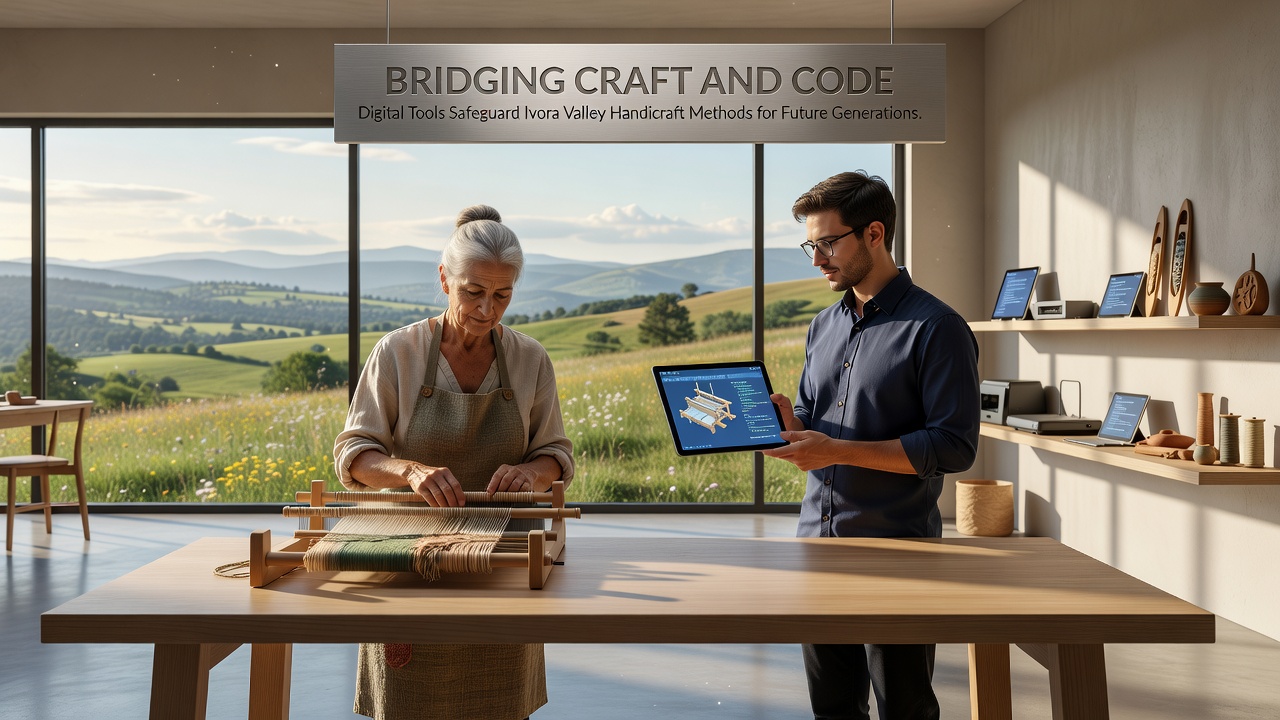
Training sessions conducted in the valley itself now incorporate tablets and headsets alongside looms and kilns, blending the physical act of creation with its digital counterpart. This dual approach has led to younger residents showing renewed interest in mastering the crafts, since the tools reduce the isolation that once accompanied learning complex skills.
Challenges in Scaling Digital Safeguards
Bandwidth limitations in rural areas initially slowed adoption, prompting developers to create offline-capable versions of the applications that sync when connectivity returns. Privacy concerns around sharing proprietary family methods required careful protocols, including consent layers and tiered access that keep certain details restricted to verified community members.
Maintenance of the archives demands ongoing funding and technical expertise, which local organizations address through partnerships with academic centers focused on cultural informatics. Reports from these centers emphasize that sustained success depends on embedding the technology within existing social structures rather than imposing external frameworks.
Conclusion
Digital tools have established a bridge that carries Ivora Valley handicraft knowledge forward without severing its roots in physical practice and community oversight. The combination of detailed capture, interactive simulation, and collaborative updating creates a living record that adapts while remaining anchored in verified methods. Observers note that similar efforts elsewhere demonstrate measurable gains in both preservation accuracy and participation rates when communities retain primary control over the content. As the September 2026 network expansion approaches, the valley serves as a working model for how code can extend the reach of craft across generations and geographies.